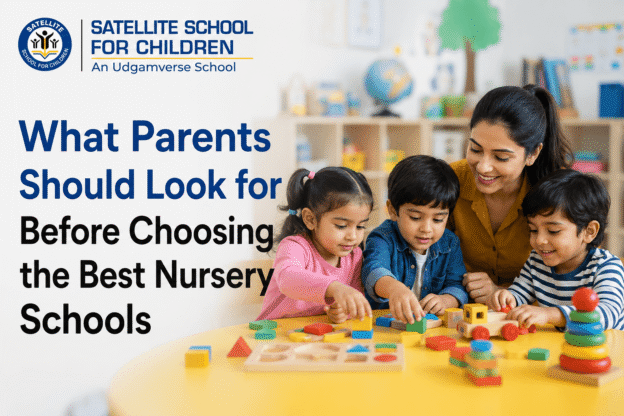
What Parents Should Look for Before Choosing the Best Nursery Schools

Best Nursery Schools In Ahmedabad

Choosing the right preschool is one of the most meaningful decisions parents make during a child’s early years. A nurturing learning environment helps children develop confidence, curiosity, communication skills, and a love for learning from an early age. While every family has different priorities, understanding the key qualities of a good preschool can make the selection process much easier. Parents exploring the Best Nursery Schools In Ahmedabad often focus on factors such as safety, teaching methods, child development, and overall learning experiences to make an informed decision.

What Makes the Best Nursery Schools In Ahmedabad Stand Out?

A quality nursery school goes beyond teaching basic concepts. It creates a positive environment where children feel safe, valued, and encouraged to explore. Young learners thrive when they participate in engaging activities that support their emotional, social, and intellectual growth.

Some important qualities parents should consider include:

  • Child-friendly classrooms with age-appropriate learning materials
  • Qualified and caring teachers
  • Safe and hygienic surroundings
  • Play-based and activity-oriented learning
  • Strong communication between teachers and parents
  • Opportunities for creative expression through art, music, and storytelling

These elements help children build confidence while preparing them for future academic success.

Factors That Define the Best School In Ahmedabad

Selecting a school involves evaluating several important aspects rather than relying on reputation alone. Parents should consider how well the institution supports the overall development of children instead of focusing only on academics.

Factor Why It Matters
Teaching Approach Encourages active participation and independent thinking
Safety Measures Creates a secure environment for children
Teacher Qualifications Ensures effective guidance and emotional support
Student Activities Promotes creativity, teamwork, and confidence
Parent Communication Keeps families involved in the child’s progress

A balanced combination of these factors creates a positive educational experience where children enjoy learning while developing essential life skills.

Why Early Childhood Learning Builds a Strong Foundation

The first few years of life are critical for brain development. During this stage, children learn through observation, interaction, play, and exploration. A well-designed preschool program helps develop essential skills that benefit children throughout their education.

Early learning supports:

  • Language and communication abilities
  • Social interaction and cooperation
  • Fine and gross motor skills
  • Emotional regulation and self-confidence
  • Problem-solving and critical thinking

Learning through games, storytelling, music, and hands-on activities makes education enjoyable while encouraging children to become active participants in their own learning journey.

How to Choose the Right Nursery School In Ahmedabad for Your Child

Every child has unique strengths, interests, and learning styles. Parents should carefully evaluate whether a school’s environment matches their child’s developmental needs.

When visiting a school, consider asking questions about:

  • Daily classroom routines
  • Teacher-to-student ratio
  • Learning methodology
  • Outdoor and indoor play facilities
  • Health and hygiene practices
  • Parent involvement opportunities

Observing how teachers interact with children can also provide valuable insight into the school’s overall learning culture. A welcoming atmosphere where children feel comfortable often indicates a supportive educational environment.

Preparing Children for a Positive School Experience

The transition into nursery school becomes smoother when children are emotionally prepared for the new routine. Parents can gradually introduce habits that help children adjust with confidence.

Helpful preparation strategies include:

  • Establishing a consistent daily schedule
  • Encouraging independent eating and self-care
  • Reading storybooks together
  • Talking positively about school experiences
  • Practicing simple social interactions with other children

Small daily routines help children develop independence while reducing anxiety during their first days at school. Positive encouragement from parents also builds excitement about learning and meeting new friends.

Frequently Asked Questions

1. What is the ideal age to start nursery school?

Most children begin nursery between the ages of two and four years, depending on the school’s admission criteria and the child’s readiness.

2. Why is play-based learning important?

Play-based learning encourages creativity, communication, social interaction, and problem-solving while making education enjoyable for young children.

3. How can parents know if a nursery school is suitable?

Parents should evaluate teaching methods, classroom environment, safety standards, teacher qualifications, and opportunities for overall child development.

4. What skills do children develop in nursery school?

Children develop language skills, social confidence, emotional awareness, motor coordination, creativity, and early cognitive abilities through structured activities.

5. How can parents support learning at home?

Reading together, encouraging conversations, providing creative play opportunities, and maintaining a consistent routine help reinforce classroom learning.

Conclusion

Selecting the right Nursery In Ahmedabad involves understanding your child’s individual needs and choosing an environment that promotes curiosity, confidence, and holistic development. A supportive preschool experience creates a strong foundation for lifelong learning by nurturing academic, social, and emotional growth. Institutions such as Satellite School demonstrate how a balanced approach to early childhood education can help children develop essential skills while enjoying every stage of their learning journey.

Choosing the Right Nursery School for Your Child’s First Steps

Early childhood is a formative phase marked by rapid cognitive, emotional, and social development. The environment in which these first learning experiences unfold plays a decisive role in shaping curiosity, confidence, and foundational skills. For families navigating early education options, selecting a Nursery In Ahmedabad involves more than proximity or convenience; it requires thoughtful consideration of philosophy, environment, and the quality of early engagement offered during these crucial years.

Understanding the Purpose of Early Learning Spaces

The primary role of a nursery is not formal academics but guided exploration. Children at this stage learn through interaction, play, and observation. A well-designed early learning space supports this natural process by encouraging discovery within a secure and nurturing setting.

Rather than structured instruction, emphasis is placed on routines that build emotional security, communication ability, and motor coordination. These experiences collectively prepare children for more formal learning later on.

Emotional Safety as the Foundation of Growth

A child’s sense of safety directly influences their willingness to explore and engage. Familiar caregivers, predictable routines, and responsive interaction create an atmosphere where children feel comfortable expressing themselves.

Emotional reassurance supports independence. When children feel secure, they are more likely to try new activities, interact with peers, and develop self-confidence organically.

Learning Through Play and Interaction

Play is the primary medium through which young children make sense of the world. Activities designed around play encourage problem-solving, imagination, and social cooperation.

Creative corners, sensory materials, and storytelling sessions allow children to explore ideas at their own pace. These interactions support language development and emotional awareness without pressure.

Importance of Qualified Early Educators

The presence of trained early childhood educators shapes the quality of experience significantly. Skilled facilitators understand developmental milestones and adapt activities to suit individual needs.

Their role extends beyond supervision. Observing behaviour, guiding interaction, and providing gentle structure ensures that learning remains balanced and inclusive.

Environment That Encourages Exploration

Physical surroundings influence behaviour and engagement. Bright, open spaces with age-appropriate materials invite movement and curiosity.

Outdoor play areas, safe equipment, and natural elements support physical development while offering opportunities for social interaction and imaginative play.

Routine and Structure Without Rigidity

Consistency helps children feel secure. Daily routines introduce predictability, supporting emotional regulation and time awareness.

However, flexibility within these routines is equally important. Allowing children to transition naturally between activities respects individual rhythms and reduces stress.

Social Development and Peer Interaction

Early learning environments introduce children to group settings beyond the family. Interaction with peers fosters cooperation, empathy, and communication skills.

Through shared activities, children learn to take turns, resolve small conflicts, and express needs—skills essential for later academic and social settings.

Communication Between Educators and Families

Strong communication channels build trust. Regular updates, shared observations, and open dialogue help families understand their child’s progress and experiences.

This partnership ensures consistency between home and learning environments, reinforcing emotional security and developmental support.

Cultural Sensitivity and Inclusivity

Inclusive environments respect diverse backgrounds and experiences. Exposure to varied traditions, languages, and perspectives enriches understanding from an early age.

Such inclusivity encourages acceptance and curiosity, supporting social harmony and emotional intelligence.

Preparing for the Next Stage of Learning

While early programmes are not academically driven, they lay essential groundwork for future learning. Skills such as listening, following instructions, and expressing ideas are developed naturally through guided activities.

In this broader context, discussions around Nursery School In Ahmedabad, often focus on how effectively these spaces prepare children for structured education without rushing development.

Health, Hygiene, and Wellbeing Standards

Attention to cleanliness and wellbeing safeguards children during these formative years. Clean spaces, proper nutrition practices, and attentive supervision contribute to overall health.

Wellbeing extends beyond physical safety. Emotional care, rest periods, and gentle guidance support balanced development.

Observing Individual Progress

Every child develops at their own pace. Effective early learning environments recognise and respect these differences rather than enforcing uniform benchmarks.

Individual observation allows educators to support strengths and gently guide areas needing attention, fostering confidence rather than comparison.

Infrastructure That Supports Learning

Facilities designed for young children prioritise safety and accessibility. Child-sized furniture, secure entry points, and thoughtfully arranged spaces encourage independence while maintaining protection.

Infrastructure supports learning when it allows children to move freely and interact confidently with their surroundings.

Reputation Built on Experience Rather Than Claims

Evaluating early learning options often involves understanding community feedback and observed outcomes. Reputation develops over time through consistent care, not promotional language.

In broader conversations around early education pathways, references to the Best School In Ahmedabad frequently highlight the importance of strong foundational years rather than later-stage achievements alone.

Long-Term Impact of Early Choices

Experiences during early childhood influence attitudes toward learning well into later years. Positive early environments foster curiosity, resilience, and adaptability.

These qualities support academic readiness and emotional wellbeing, shaping how children approach new challenges.

Balancing Expectations With Child-Centred Values

Families often face external pressures when making educational decisions. A child-centred approach prioritises wellbeing and natural development over accelerated outcomes.

Choosing environments aligned with these values supports healthy growth and sustained enthusiasm for learning.

Conclusion

Selecting the right early learning environment is a meaningful decision that shapes a child’s first relationship with education. Spaces that prioritise emotional security, guided exploration, and responsive care provide a strong foundation for future growth. When evaluating Best Nursery Schools In Ahmedabad, families often look beyond facilities to values, approach, and long-term impact. Within this landscape, institutions such as Satellite School are recognised for supporting early development through thoughtful, child-focused learning environments that honour each child’s first steps into education.


Admission in Pre-Primary School: Laying the Right Foundation for Early Learning

Admission In Pre Primary Schools Ahmedabad

Childhood is a crucial phase in human development, where the foundation for lifelong learning begins to take shape. Long before formal academics come into focus, children start absorbing experiences, building habits, and forming attitudes that influence their future. For families considering Admission In Pre Primary Schools Ahmedabad, this stage is not just about enrollment—it marks the beginning of a child’s journey into structured learning, social interaction, and self-growth.

Why Pre-Primary Education Holds Importance

Pre-primary education is centered on preparation rather than performance. At this stage, children are not expected to achieve academic milestones but to nurture curiosity, communication, emotional balance, and basic thinking abilities.

A thoughtfully designed learning environment blends play, observation, and guided activities. This approach ensures that children feel comfortable and interested in learning rather than overwhelmed by expectations.

Moving From Home to a Structured Environment

Transitioning from home to a structured setting is a significant step for young children. Pre-primary schools are designed to make this shift smooth and reassuring, helping children adapt to routines and group environments.

Consistency and a caring atmosphere play a key role here. When children feel safe and supported, they naturally become more open to participation, exploration, and self-expression.

Learning Through Play and Exploration

Play forms the core of childhood learning. Through play-based methods, children develop creativity, problem-solving skills, and social understanding.

Activities like storytelling, music, art, and movement introduce basic concepts in an engaging way. These experiences enhance motor skills, listening abilities, and language development without placing pressure on formal learning.

Social Growth and Interaction

Pre-primary education introduces children to structured peer interaction. Everyday activities encourage sharing, cooperation, and taking turns.

Such interactions help build emotional awareness and allow children to understand different perspectives. Over time, this strengthens communication skills and empathy, which are essential for future learning environments.

Emotional Security as the Foundation

A child’s emotional wellbeing plays a vital role in their ability to learn. When children feel secure, they are more willing to try new things and express themselves freely.

Educators trained in child development are attentive to emotional needs. Their supportive approach builds trust and encourages children to grow independently at a comfortable pace.

Role of Educators in Pre-Primary Learning

In pre-primary settings, educators act as facilitators rather than traditional instructors. Their focus is on guiding curiosity, encouraging exploration, and supporting each child’s individual pace of development.

Through careful observation, educators adjust activities to suit different learning needs, ensuring an inclusive and responsive environment for all children.

Importance of Routine and Structure

Daily routines provide young children with a sense of stability and predictability. Structured schedules help them understand transitions and develop time awareness.

A balanced routine that includes learning, play, and rest supports both focus and relaxation, contributing to overall development.

Parental Involvement Matters

Effective learning at this stage is strengthened through collaboration between parents and schools. When families are aware of classroom practices, children experience consistency between home and school.

Open communication builds trust and allows parents to actively support their child’s emotional and developmental progress.

Preparing for Future Academic Stages

Pre-primary education builds the foundation for future academic success. Skills such as listening, following instructions, and expressing needs are developed during this stage.

Children who experience supportive learning environments often transition smoothly into primary education with greater confidence and adaptability.

Understanding Readiness Beyond Age

While age is a common guideline, true readiness also includes emotional maturity, communication ability, and adaptability.

Pre-primary programs that respect individual differences create spaces where children can develop at their own pace without unnecessary pressure or comparison.

Building Positive Learning Experiences

One of the most important outcomes of pre-primary education is the relationship children develop with learning. Positive experiences encourage curiosity, confidence, and a willingness to explore.

When learning is associated with comfort and enjoyment, children carry this mindset forward into future academic stages.

What Pre-Primary Admission Sets in Motion

  • Smooth transition from home to a structured environment

  • Development of social and emotional skills

  • Exposure to language, creativity, and expression

  • Formation of routines and independence

  • Positive and lasting connection with learning

Conclusion: A Strong Beginning for Lifelong Learning

The pre-primary stage plays a defining role in shaping how children approach learning, relationships, and self-expression. A thoughtful admission process combined with a nurturing environment ensures that this phase is supportive and aligned with a child’s natural development.

For parents exploring Admission Nursery In Ahmedabad, the focus is gradually shifting toward environments that prioritise emotional security, curiosity, and overall growth rather than academic pressure. In this context, Satellite School reflects the importance of creating a space where children feel safe, encouraged, and ready to begin their educational journey with confidence.

Why Nursery School Plays a Vital Role in Early Childhood Development

Nursery In Ahmedabad

The early years of a child’s life are marked by significant cognitive, emotional, and social development. During this stage, everyday experiences play a vital role in shaping learning habits, behaviour, and the ability to connect with others. A structured learning environment introduces children to guided activities beyond the home, helping them become familiar with routines, social interaction, and expressing their emotions. This phase is especially important for parents considering options like Nursery School In Ahmedabad, where the focus is gradually shifting toward overall development rather than purely academic learning.

Foundations of Emotional Security and Confidence

A nurturing early learning environment provides children with emotional stability during a critical developmental phase. Gentle separation from home, guided by empathetic educators, allows young learners to build trust and confidence gradually. Familiar routines create predictability, helping children feel secure while navigating new surroundings.

Through positive reinforcement and consistent guidance, children begin to develop self-esteem. This emotional grounding supports curiosity and willingness to engage, laying the foundation for confident participation in later educational stages.

Social Interaction and Relationship Building

One of the most influential aspects of nursery education is social exposure. Interaction with peers introduces children to sharing, cooperation, and conflict resolution. Group activities encourage listening, turn-taking, and respect for others’ perspectives.

These early social experiences foster empathy and adaptability. Children learn that collaboration leads to shared outcomes, an understanding that strengthens interpersonal skills well into adulthood.

Language Development Through Daily Engagement

Language acquisition accelerates in environments rich with conversation, storytelling, and guided expression. Educators model vocabulary and sentence structure, encouraging children to articulate thoughts and emotions clearly.

Songs, rhymes, and interactive discussions strengthen communication skills while enhancing listening ability. This immersive exposure supports early literacy and comprehension, preparing children for structured learning environments.

Cognitive Growth Through Play-Based Learning

Play remains a powerful tool for intellectual development. Carefully designed activities stimulate problem-solving, creativity, and logical thinking without imposing academic pressure. Puzzles, role-play, and exploratory tasks encourage children to think independently and make connections.

Institutions recognised as a Best School In Ahmedabad often integrate play-based methodologies at early levels, recognising that meaningful learning emerges through exploration rather than instruction alone.

Developing Independence and Responsibility

Early education environments introduce children to age-appropriate responsibility. Simple tasks such as organising materials, following routines, and making choices foster independence. These experiences help children understand accountability within a supportive framework.

As independence grows, so does resilience. Children become more comfortable attempting tasks independently, learning to navigate small challenges with confidence.

Understanding Structure and Discipline

Structured routines help children grasp the concept of time, order, and expectations. Consistent schedules provide balance between guided activities and free exploration, teaching children how to transition smoothly between tasks.

This early exposure to structure supports self-regulation and focus, essential skills for future academic settings. Discipline is introduced through guidance rather than enforcement, promoting understanding rather than compliance.

Sensory and Motor Skill Development

Early childhood education supports physical development through movement-based activities. Fine motor skills improve through drawing, building, and hands-on tasks, while gross motor development benefits from outdoor play and coordinated activities.

Sensory exploration enhances cognitive processing, allowing children to interpret their environment effectively. These experiences contribute to overall physical and mental coordination.

Preparing for Formal Education

Nursery education bridges the gap between home-based care and formal schooling. Familiarity with group learning, teacher interaction, and routine expectations reduces anxiety associated with academic transitions.

Parents considering Schools In Ahmedabad often value this preparatory role, recognising that emotional and social readiness significantly influences later academic success.

Role of Educators in Early Development

Educators trained in early childhood development understand individual learning rhythms. Observation-based guidance allows them to respond to emotional cues, learning preferences, and developmental needs.

This personalised approach ensures children feel supported while progressing at a comfortable pace, reinforcing positive learning associations.

Long-Term Impact of Early Learning Experiences

The benefits of early education extend well beyond the initial years. Children exposed to nurturing learning environments demonstrate stronger communication skills, emotional intelligence, and adaptability later in life.

Early socialisation and emotional regulation form the basis for leadership, collaboration, and lifelong learning attitudes.

Core Developmental Areas Supported by Nursery Education

  • Emotional security and self-confidence 
  • Social interaction and cooperation 
  • Language and communication growth 
  • Cognitive development through play 
  • Independence and self-regulation 

Conclusion: Building Strong Beginnings for Lifelong Learning

Early childhood education plays a defining role in shaping emotional resilience, social understanding, and learning readiness. A well-structured nursery environment supports balanced growth by combining care, guidance, and exploration. Choosing among the Best Nursery Schools In Ahmedabad involves recognising institutions that prioritise holistic development during these formative years. Within this context, Satellite School reflects the importance of creating nurturing environments that support confident, well-rounded learners from the very beginning of their educational journey.